One of the Biggest Cyber Heists in History Hit Binance

Binance was hit by a cyberattack described as one of the biggest cyber heists ever. Prepared over a long time through several complex stages and allegedly based in Korea, we wrote up the anatomy of the attack in detail so it can be a lesson for all of us:
June: First, an employee downloads a malicious version of homebrew because of an ad in Google search results, which lets the attackers into the computer and reveals the team this employee works in and their role. The security team detects it and resets the computer, wiping all of the employee’s data.
Throughout 2026, they block 57 different types of attack attempts from Korea.
September: Another employee receives a job interview offer from a company. To make it look real, they first hold an HR interview with this employee, and in the video call the HR person even shares their own social media account to build trust.
In the next stage, the employee downloads a coding test file sent for a technical assessment during a call with this imaginary company’s imaginary CEO. With this package, they replace a trusted development tool on the computer (pyenv) with a maliciously updated version, so the security team doesn’t notice and the attackers gain access to the computer.
October 20: Using an AI tool on the 2nd employee’s computer, the attackers reach the 1st employee’s computer, whose role and permissions they had identified earlier.
October 29: With all preparations complete, the attackers go through a 3rd employee’s computer and, using the permissions they had gained from the 2nd employee’s computer, deploy the container that performs money transfers and run the code sequences they had prepared.
In total they carried out transfers worth 6.34 billion dollars. 2.85 billion of it was stopped by automatic protection mid-transfer, but the rest went through. So a package that one employee downloaded from a link sent during a job interview with another company, on a company computer, cost the company billions of dollars.
There are many mistakes in this story worth learning from, but the most important point is that social engineering in cyberattacks has now reached a very advanced level and its effects keep growing.
Amazon’s “All Mine” Moves

After earlier blocking Muse and similar AI assistants from accessing its platform, Amazon has added similar assistant features to Alexa. With the November sales approaching, it gave Alexa users functions like creating shopping lists, managing deliveries, and handling payments and bills. They say use of AI shopping features has grown 8x since the start of the year, and that 400 million users have used Alexa for shopping so far. So Amazon’s earlier decision to block agents looks to be not about platform security or keeping it human, but about getting people to use its own AI assistant.
Mischief, an Image-to-Video Model Inspired by Neurons
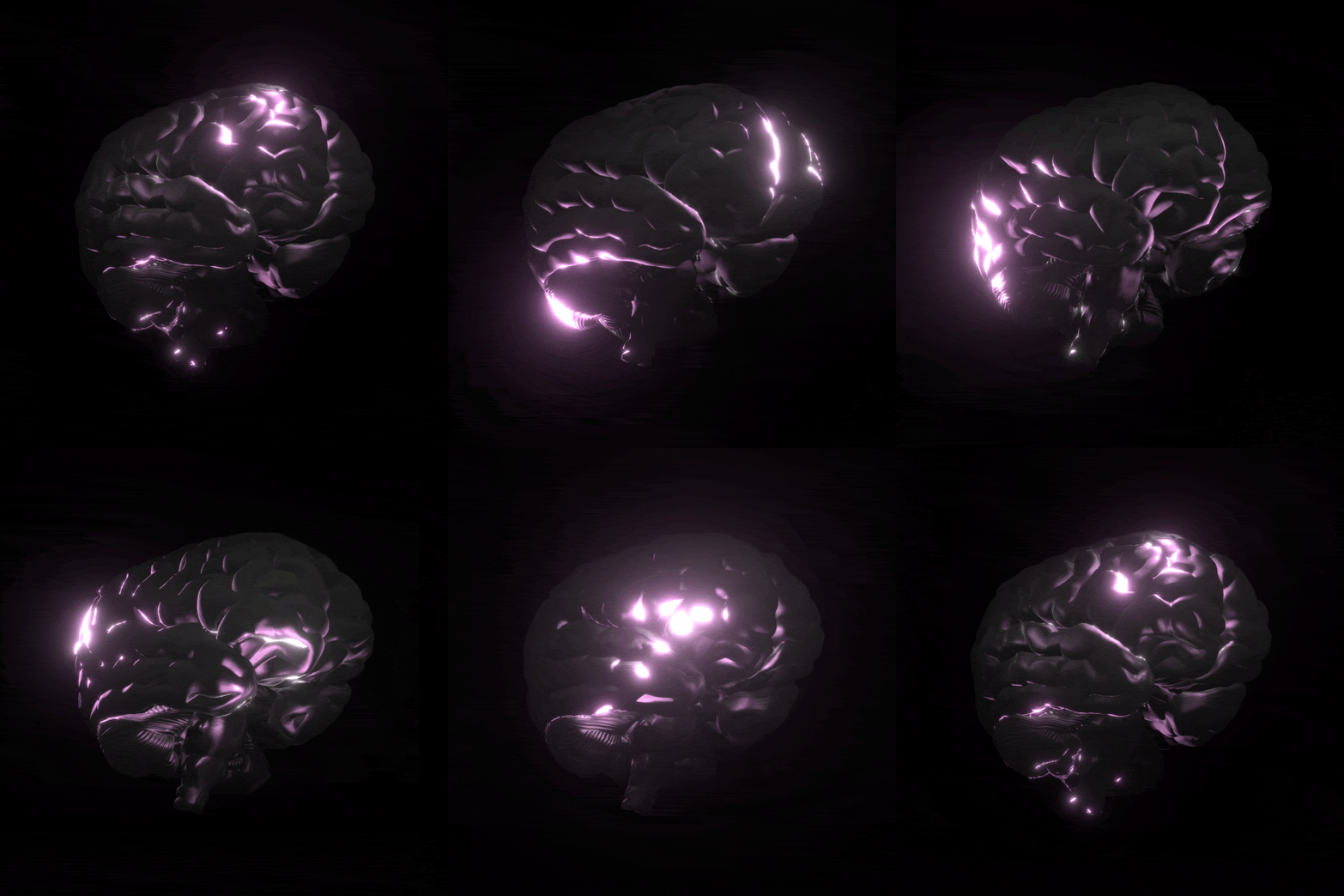
A video generation model trained on the way real neuron cells grown in a lab process information has been built. The core goal of The Biological Computing Co, the company behind this model called Mischief, is to build faster, lower-cost AI models inspired by the computing principles of biological systems. They stimulate neurons through electrodes, analyze their responses, turn biological computing methods into algorithms, and make them usable on classic GPU infrastructure. While the human brain is still seen as the most advanced computer, this is a development that makes you say “why not”. People who have used it seem quite impressed, especially with its speed compared to other video models.
Bonus

This week’s interesting YouTube content (it already got more than 2 million views in 2 days, so you may have seen it) is an analysis that estimates where an audio recording was made, to within 100 meters, by measuring the Doppler effect in the recording. A really interesting and clever inference, and we highly recommend watching it.
⚡️ Quick Bits
• fal.ai, which provides infrastructure for AI models, raised 1.65 billion dollars at a 16 billion dollar valuation. @fal →
• A startup called subvocal, for people who want to use an AI assistant by speaking without making a sound, raised funding. Right after the news, someone built the exact same product and released it as open source. @AarushYadav47 → | @joeblau →
• The thread that got Sam Altman to update his name on Twitter to Ram Altman. @sama →
📩 Liked this newsletter? You can forward it to your friends
if you are feeling nostalgic, though it’s always better if
they just subscribe on their own.
